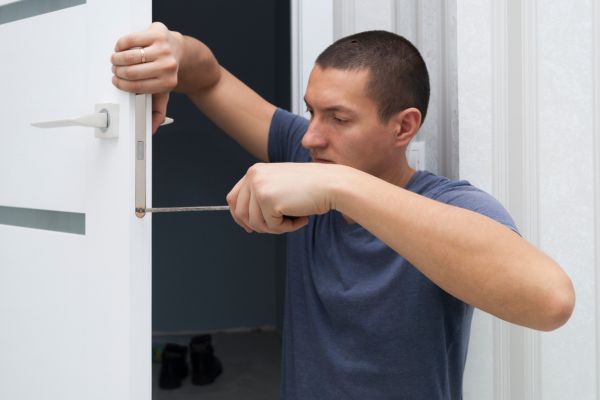
There’s a particular kind of frustration that comes with a door that won’t cooperate. It sticks, scrapes, or resists just enough to turn a simple task into a daily annoyance. Over time, what starts as a minor inconvenience can become a clear sign that something isn’t quite right beneath the surface.
Repairing a sticking door doesn’t always require specialized tools or advanced skills. In many cases, it’s a matter of understanding why the door is misbehaving and making a few careful adjustments. With a bit of patience and observation, you can restore that smooth, effortless swing most doors are meant to have.
Understanding Why Doors Stick in the First Place
Before diving into fixing anything, it helps to understand what’s causing the issue. Doors rarely stick without a reason. Often, it’s a combination of subtle changes that build up over time.
Humidity is one of the most common culprits. Wood naturally expands when it absorbs moisture and contracts when it dries out. In seasons with higher humidity, a door may swell just enough to rub against the frame. Conversely, in drier conditions, it might shrink and leave noticeable gaps.
Another frequent cause is loose or misaligned hinges. Even a slight shift in hinge positioning can cause the door to hang unevenly, leading to friction along one edge. Over time, the repeated motion of opening and closing can also wear down hinge screws, making the problem worse.
Then there’s the structure itself. Houses settle. Walls shift ever so slightly. These gradual changes can throw a once-perfectly aligned door out of balance.
Identifying the Trouble Spot
The first step in repairing a sticking door is figuring out exactly where it’s sticking. This might sound obvious, but taking a closer look often reveals more than a quick glance.
Open and close the door slowly, paying attention to any resistance. Notice whether the sticking happens at the top, bottom, or along the sides. Sometimes you’ll hear a faint scraping sound or feel a slight drag.
A simple trick is to run a piece of paper or your hand along the edges of the door while moving it. Areas where the door catches or presses tightly against the frame will stand out.
Marking these spots lightly with a pencil can be helpful. It gives you a clear visual reference when you start making adjustments.
Tightening and Adjusting the Hinges
In many cases, repairing a sticking door begins with the hinges. They’re the support system of the door, and even minor issues here can affect how the door moves.
Start by checking the screws on each hinge. If any are loose, tighten them carefully. Sometimes that alone is enough to realign the door and eliminate the sticking.
If tightening doesn’t solve the problem, look at the hinge placement. A door that sticks at the top might need the top hinge adjusted slightly inward, while a door dragging at the bottom might benefit from repositioning the lower hinge.
Occasionally, replacing worn-out screws with slightly longer ones can provide a better grip in the wood, especially if the original holes have become stripped over time.
Addressing Swelling and Seasonal Changes
When humidity is the main issue, the solution can be surprisingly straightforward. If the door is only sticking during certain times of the year, it’s likely reacting to moisture in the air.
In these cases, improving ventilation or using a dehumidifier can help stabilize the environment. Over time, the door may return closer to its original shape.
However, if the swelling has caused consistent sticking, a small amount of sanding might be necessary. Focus only on the areas you identified earlier. Removing too much material can create gaps that become noticeable when conditions change again.
Take it slow. A few light passes with sandpaper can make a significant difference. It’s always easier to remove a bit more later than to correct over-sanding.
Smoothing the Edges for Better Movement
Sometimes, repairing a sticking door comes down to refining its edges. Even minor imperfections can create friction points.
After identifying where the door rubs, gently sand those areas until the surface feels smooth. Pay attention to maintaining the natural shape of the edge. The goal isn’t to reshape the door entirely, but to ease the contact points.
Once the sanding is complete, wiping away dust and applying a light finish or sealant can help protect the exposed wood. This step also reduces the chances of future swelling in that specific area.
Checking the Door Frame Alignment
It’s easy to assume the door itself is the problem, but the frame plays an equally important role. If the frame has shifted, even slightly, it can cause the door to stick no matter how much you adjust the hinges or edges.
Look closely at the gaps around the door when it’s closed. Uneven spacing can indicate that the frame is out of alignment. In such cases, adjusting the frame might be necessary.
This can involve tightening the frame’s fasteners or, in more noticeable cases, repositioning parts of the frame. While this step requires a bit more care, it often resolves persistent issues that hinge adjustments alone can’t fix.
Lubrication and Minor Fixes That Make a Difference
Not all sticking doors need sanding or structural adjustments. Sometimes, the issue is simply friction in the hinges.
Applying a small amount of lubricant to the hinge pins can improve movement significantly. It reduces resistance and allows the door to swing more freely.
Additionally, checking for debris or buildup around the edges can be worthwhile. Dust, paint drips, or even small bits of wood can create unexpected resistance points.
These minor fixes might seem simple, but they often provide immediate relief without requiring more involved work.
Recognizing When a Bigger Fix Is Needed
There are times when repairing a sticking door goes beyond quick adjustments. If the door is severely warped or the frame has shifted significantly, more extensive work may be required.
In such cases, the door might need to be planed more carefully or, in rare instances, replaced altogether. Structural issues within the home can also contribute to persistent problems, and addressing those may be necessary for a long-term solution.
That said, most sticking doors fall into the category of manageable fixes. With a bit of attention and care, they can be restored without major intervention.
Maintaining a Smooth-Swinging Door
Once the door is working properly again, a little maintenance can go a long way in keeping it that way.
Regularly checking hinge screws, keeping the edges clean, and monitoring changes in humidity can help prevent the issue from returning. Small adjustments made early often save time and effort later.
Doors, like many parts of a home, respond well to occasional care. When you stay attentive to how they function, problems rarely have the chance to grow into something more frustrating.
A Quiet Satisfaction in a Simple Fix
There’s something quietly satisfying about repairing a sticking door. It’s not just about eliminating an annoyance, but about restoring a sense of ease to everyday movement.
A door that opens and closes smoothly feels almost effortless, as though it’s doing exactly what it was meant to do. And in a way, it reflects the balance within the space around it.
Repairing a sticking door doesn’t demand perfection. It calls for observation, patience, and a willingness to make small, thoughtful adjustments. In the end, those simple efforts often lead to a result that feels just right—subtle, functional, and quietly rewarding.