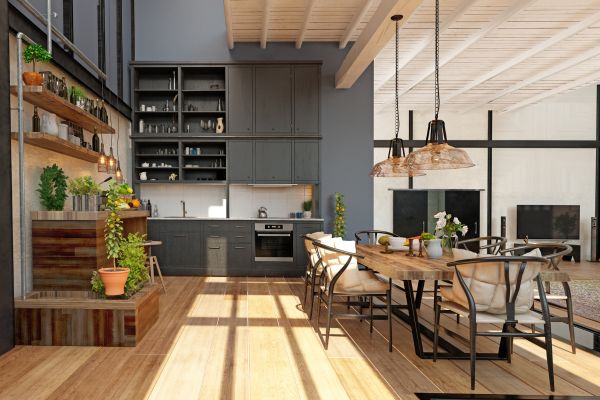
Kitchen floors quietly handle more abuse than almost any other surface in a home. They deal with spilled coffee, dropped pans, muddy shoes, pet claws, rolling chairs, leaking dishwashers, and the constant movement of everyday life. Yet despite all that wear, flooring still plays a huge role in how a kitchen feels. It shapes the atmosphere of the room before anyone notices the cabinets or lighting.
That is probably why choosing the right kitchen flooring can feel unexpectedly difficult. What looks beautiful in a showroom may not hold up well in a busy household. Some materials are durable but cold underfoot, while others feel warm and inviting yet require more maintenance than people expect.
The good news is that there are now more choices than ever, ranging from affordable practical surfaces to premium materials that can completely transform a kitchen’s character. The best kitchen flooring options are not always the most expensive ones either. Often, the smartest choice depends on lifestyle, cooking habits, household traffic, and the overall mood someone wants the kitchen to have.
Why Kitchen Flooring Requires Different Priorities
Kitchen floors face unique challenges compared to bedrooms or living rooms. Moisture, heat, grease, and heavy foot traffic all combine in one space. That means flooring needs to balance durability with comfort and appearance.
Water resistance matters more in kitchens than many people initially realize. Small spills happen constantly, and even minor moisture issues can damage certain flooring materials over time. Scratches are another concern, especially in homes with children, pets, or frequent entertaining.
Comfort also plays a bigger role in kitchens because people often stand for long periods while cooking or cleaning. Hard surfaces may look sleek but can become tiring during daily use.
This combination of practical and aesthetic demands is exactly why kitchen flooring decisions deserve careful thought rather than rushed choices.
Vinyl Flooring Has Quietly Improved Dramatically
Vinyl flooring used to carry a reputation for looking artificial or cheaply made. Modern versions, though, have changed that perception quite a bit.
Luxury vinyl plank and luxury vinyl tile have become some of the most popular kitchen flooring choices because they balance affordability, durability, and appearance surprisingly well. Many newer styles realistically imitate hardwood, stone, or ceramic textures without the maintenance concerns tied to natural materials.
Water resistance is one of vinyl’s biggest strengths. Spills rarely become major problems, making it practical for busy kitchens where accidents happen regularly. Softer surfaces also feel gentler underfoot compared to stone or tile.
Installation can sometimes be simpler and less expensive as well, especially with click-lock floating floor systems. For homeowners trying to update a kitchen without undertaking a major renovation, vinyl often becomes an appealing middle ground.
It may not carry the prestige of natural stone or hardwood, but practicality has a way of winning people over.
Hardwood Flooring Brings Warmth and Character
There is something timeless about hardwood floors in a kitchen. They create warmth that many harder materials struggle to match, and they help kitchens feel connected to the rest of the home rather than isolated as purely functional spaces.
Wood floors also age in a uniquely attractive way. Minor imperfections, scratches, and subtle wear often add character instead of ruining the look entirely. That lived-in quality appeals to many homeowners who prefer kitchens that feel welcoming rather than overly polished.
Still, hardwood requires a bit more caution in kitchens. Standing water can cause warping, and spills should not sit for long periods. Certain wood species hold up better than others, particularly harder varieties like oak, maple, or hickory.
Engineered hardwood has become increasingly popular because it offers greater moisture resistance than traditional solid wood flooring. It provides much of the same visual warmth while handling kitchen conditions more reliably.
For many people, the comfort and beauty of wood outweigh the extra maintenance considerations.
Tile Flooring Remains a Reliable Classic
Ceramic and porcelain tile continue to rank among the best kitchen flooring options for one simple reason: durability. Tile handles moisture, stains, scratches, and heavy foot traffic extremely well, which makes it especially practical for active households.
Porcelain tile, in particular, has grown more versatile over time. Modern manufacturing techniques now allow tiles to mimic wood grain, marble, concrete, and other textures with remarkable realism.
One advantage tile offers is longevity. Properly installed tile floors can last decades without major deterioration. They are also relatively easy to clean, which matters in kitchens where spills and crumbs are unavoidable.
The downside is comfort. Tile can feel cold and hard, especially during colder months. Long cooking sessions on unforgiving surfaces sometimes become tiring.
Area rugs and radiant floor heating systems often help offset those concerns. For many homeowners, the durability and low maintenance still make tile one of the safest long-term choices.
Laminate Flooring Offers Budget-Friendly Style
Laminate flooring has improved significantly from earlier generations that sometimes looked overly shiny or artificial. Today’s laminate designs often replicate wood textures convincingly while remaining more affordable than real hardwood.
One reason laminate remains popular is its balance between appearance and price. It allows homeowners to achieve a warm, wood-inspired look without committing to higher installation or material costs.
Scratch resistance is another advantage, particularly in households with pets or children. Many laminate products hold up well against daily wear.
Moisture, however, remains laminate’s biggest weakness. While water-resistant versions now exist, excessive moisture can still cause swelling or damage if spills are ignored for too long.
Because of that, laminate often works best in kitchens where people are comfortable maintaining spills quickly and consistently.
Natural Stone Creates a Distinctive Look
Natural stone flooring carries a certain visual weight that instantly changes the atmosphere of a kitchen. Slate, travertine, limestone, and marble each bring unique textures and color variation that manufactured materials struggle to duplicate fully.
Stone floors often feel grounded and timeless. In some kitchens, they create a rustic character, while in others they contribute to sleek modern interiors.
Durability varies depending on the specific stone type. Slate tends to be highly durable, while softer stones like marble may scratch or stain more easily. Sealing also becomes important because porous surfaces can absorb moisture and spills over time.
Cost is usually one of the biggest barriers with natural stone. Materials and installation can both become expensive quickly.
Even so, many homeowners continue choosing stone because of its authenticity. No two pieces are ever exactly alike, which gives the floor a more organic, lived-in appearance.
Concrete Floors Are Growing in Popularity
Concrete flooring once belonged mostly to industrial buildings and modern lofts, but it has gradually entered residential kitchen design as well.
Polished concrete offers a minimalist aesthetic that works especially well in contemporary spaces. It is durable, relatively low maintenance, and capable of handling heavy use without much visible wear.
One surprising advantage of concrete is flexibility in appearance. It can be stained, polished, textured, or tinted in different ways depending on the desired look. Some finishes appear sleek and modern, while others feel softer and more rustic.
Comfort can be an issue, though. Concrete is extremely hard underfoot and tends to feel cold without additional heating systems or rugs.
Still, for homeowners drawn to clean lines and understated design, concrete flooring often feels refreshingly simple.
Cork Flooring Prioritizes Comfort
Cork flooring rarely receives as much attention as hardwood or tile, but it quietly offers several qualities that work well in kitchens.
Its biggest strength is comfort. Cork has a soft, slightly cushioned feel that reduces strain during long cooking sessions. It also provides natural warmth and sound absorption, making kitchens feel quieter and more relaxed.
Environmentally conscious homeowners often appreciate cork because it comes from renewable bark harvesting processes rather than tree removal.
Modern cork flooring is more durable than many people assume, though sealing remains important for moisture protection. Sharp objects and heavy furniture can still leave dents more easily than harder surfaces.
Visually, cork creates a softer, more natural atmosphere that differs from the sleek appearance dominating many contemporary kitchens.
Choosing Flooring Based on Lifestyle Matters Most
One reason flooring decisions feel overwhelming is because there is rarely one universally correct answer. A material that works beautifully for one household may become frustrating in another.
Busy families with pets and children often prioritize durability and easy cleaning above everything else. People who love cooking elaborate meals may care more about comfort underfoot. Others focus primarily on visual warmth or long-term resale value.
Budget matters too, but expensive flooring does not automatically guarantee satisfaction. Sometimes the most practical choice ends up being the one people enjoy living with every day.
The best kitchen flooring options usually succeed because they fit naturally into the rhythms of daily life rather than fighting against them.
Conclusion
Kitchen flooring shapes far more than appearance alone. It influences comfort, maintenance, atmosphere, and the overall experience of spending time in one of the busiest rooms in a home. That is why choosing the right material often deserves more attention than people initially expect.
Whether someone prefers the warmth of hardwood, the resilience of tile, the practicality of vinyl, or the natural texture of stone, each flooring type brings its own strengths and trade-offs. The ideal choice depends less on trends and more on how the kitchen is actually used day after day.
In the end, the most successful kitchen floors are the ones that quietly support everyday living without demanding constant attention. They handle the messes, movement, and unpredictability of real life while still making the space feel inviting. And perhaps that balance between beauty and practicality is what truly makes a kitchen work well over time.