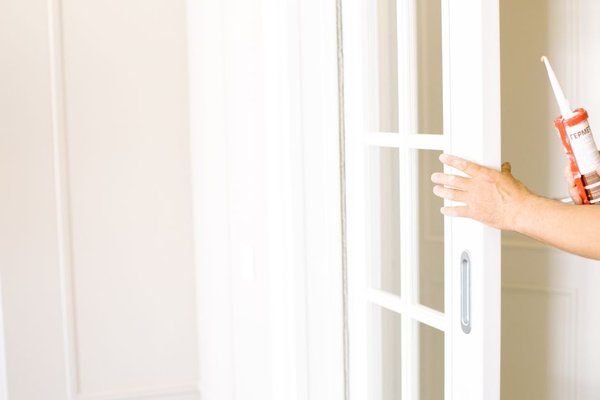
A cold stripe of air across the hallway floor can make an otherwise comfortable house feel chilly. Before buying a new front door, find exactly where the air enters. A draught around an existing external door often comes from a worn seal, uneven threshold or latch that no longer pulls the door against its frame. Diagnosing the cause first usually means a simpler repair.
Find where the air gets in
Close and lock the door normally. On a windy day, slowly move the back of your hand around the frame, paying attention to the upper corners, hinge side, latch side and bottom edge. A thin tissue held near a suspected gap can reveal moving air.
Look for daylight around the edges and listen for whistles or rattles. Remember that a cold door panel does not necessarily mean air is leaking: the material itself may feel cold.
Try the paper test
Place ordinary paper between the door and its existing compression seal, then shut the door. Pull gently. Repeat around the frame. If the paper slips out freely at one corner but grips elsewhere, the seal may be flattened or the door may sit unevenly.
For example, if your hallway feels cold at the bottom right corner, and the tissue moves there but nowhere else, examine the threshold contact and that corner’s alignment before buying a complete set of seals.
Inspect the seals around the frame
External doors commonly rely on flexible seals where the door meets the frame. Rubber can harden, split or pull away; adhesive foam can flatten. These faults create door seal gaps that become especially noticeable in windy weather.
Open the door and inspect the full seal, including its corners. Clean off dirt with a suitable mild cleaner and let it dry. A loose strip might be refitted securely; a damaged one may need replacing. Match the replacement to the original profile and fitting channel rather than choosing one simply because it looks thick.
An oversized strip can stop the latch engaging properly or put pressure on hinges. Foam tape works for some straightforward gaps, while brush, wiper or compression seals suit others. Select a product compatible with the door and the gap you measured.
Deal with draughts under the door
The bottom edge is a frequent source of an external door draught. Inspect whether the bottom seal meets the threshold evenly when the door is closed. Look for torn rubber, a missing brush, a bent sweep or grit preventing contact.
Match the draught excluder to the threshold
A brush strip or hinged flap can suit some traditional doors. Others use rubber sweeps, automatic drop seals or purpose-made threshold gaskets. Measure the gap at several points. If a new seal drags heavily, it may wear quickly or make the door difficult to close and secure.
Clean the threshold and check for loose fittings. Some designs have manufacturer-approved adjustment mechanisms; follow the instructions rather than forcing parts upwards. Never cover drainage slots or weep holes intended to let rainwater escape.
Check the hinges and latch alignment
A new seal cannot compensate for a door that hangs unevenly. Compare the visible gaps around its edges. A corner that rubs, sagging hinges or a latch needing a hard shove can point to alignment problems.
Check for obviously loose screws and damaged hardware. Tightening sound, accessible hinge fixings may help on a standard door. Adjustable uPVC and composite hinges vary, so follow the manufacturer’s guidance or ask a door technician to correct the alignment.
Notice whether the draught changes when you lock the door. Some multipoint systems pull the panel more tightly onto its seals once fully engaged. If locking reduces the airflow, investigate seal contact or adjustment before adding weatherstripping. Never compromise security or emergency escape.
Check the letterbox, keyhole and frame edges
The door’s perimeter might be fine while cold air enters through a letterbox or traditional keyhole. Test each opening with a tissue. A correctly sized internal letterbox brush or flap may help, while a purpose-made keyhole cover can reduce airflow through older locks. Ensure everything continues to function freely.
Also inspect gaskets around glazed panels. Air entering between the fixed frame and the wall is a separate problem from air leaking past the moving door. Damaged perimeter sealant might need renewal, but investigate any signs of water ingress first; do not simply seal over damp areas.
Weatherstrip the door safely
When you weatherstrip a door, work on clean, dry surfaces and test the closing action as you go. Tackle the confirmed leak rather than covering every edge. The latch should engage without force and the door should open smoothly. Repeat the tissue test after fitting.
Fire-rated flat entrance doors need specialist care. Their smoke seals, intumescent strips, closers and gaps form part of a fire-safety system. Do not trim the door, replace its seals with ordinary foam or modify its hardware yourself. Report damage to the responsible manager or consult a competent specialist.
Do not confuse unwanted draughts with essential ventilation. Keep airbricks, trickle vents, intended ventilation openings and airflow required by combustion appliances clear. A draught proof door should reduce accidental leakage without making the home unsafe or encouraging condensation and damp.
Keep your repair working
Check the door again during the next windy spell and after several weeks of use. Wipe seals clean, clear debris from the threshold and watch for changes in how the latch operates. Timber can swell or shrink with changing moisture levels, so a seasonal gap may call for careful adjustment rather than excessively thick sealing.
Related maintenance includes checking external door hinges and locks, dealing with condensation near entrances and sealing gaps around door frames. These checks help distinguish a door leak from another problem nearby.
Frequently asked questions
What is the quickest way to find a draught around a door?
Close and latch the door, then check around it with your hand or a tissue on a windy day. Look for daylight, rattling and uneven seal contact. Test the threshold, letterbox and keyhole separately.
Can I fix a draughty front door without replacing it?
Often, yes. Cleaning or replacing a worn gasket, fitting a compatible bottom seal, correcting minor alignment issues or improving a letterbox flap may solve the problem. Replacement is rarely the first step unless the door is too damaged to repair.
Why is my door still draughty after fitting weatherstripping?
The strip might be too thin, incorrectly positioned or unable to touch an uneven door. Air may also enter through the threshold, letterbox or wall-frame joint. Check the leak again before adding more material.
Should I seal every gap under a door?
No. Suitable external door gaps can be treated, but designed drainage and essential ventilation must remain clear. Internal doors may need airflow beneath them, and fire doors have requirements that must not be altered casually.
A warmer entrance starts with a better diagnosis
Learning how to fix a draughty door is about matching the repair to the leak. Identify moving air, inspect how the door closes and address worn seals or threshold gaps without affecting safety features. A targeted repair can improve comfort while keeping the existing door working as intended.