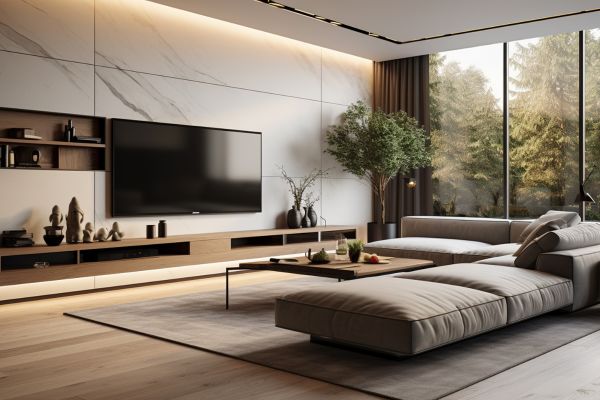
A living room is rarely just a living room once a family enters the picture. It becomes a play zone, a movie theater, a homework hub, and a place to collapse at the end of long days. Designing a space that welcomes all of that activity without feeling chaotic is no small task. Family friendly living room design is less about following rigid rules and more about understanding how real people actually live.
The best family spaces feel relaxed, intentional, and forgiving. They don’t punish you for spilled juice or scattered toys. Instead, they quietly support daily life while still looking pulled together. If you’ve ever wondered how to create a living room that works for everyone without sacrificing warmth or style, this is where the conversation starts.
Designing for Real Life, Not Showrooms
Many living rooms look stunning in photos but fall apart the moment a family tries to use them. White sofas, sharp corners, and delicate accessories may impress, but they don’t survive long in a home with kids or pets.
Family friendly living room design begins with an honest assessment of how the space is used. Is this where kids play after school? Do family movie nights happen here? Is it a gathering place for guests or a quiet retreat in the evenings? These questions matter more than trends.
When a room is designed around real habits, it automatically feels more comfortable. Furniture placement becomes intuitive. Storage feels necessary rather than forced. The space starts to flow naturally instead of fighting against daily routines.
Choosing Furniture That Can Take a Beating
Furniture in a family living room has to work harder than most. Sofas get jumped on, armchairs become forts, and coffee tables double as craft stations. Durability isn’t optional, but that doesn’t mean design has to suffer.
Look for sofas with sturdy frames and cushions that bounce back after use. Performance fabrics, tightly woven textiles, and removable covers can handle wear while still looking refined. Neutral tones often age better than trendy colors, but texture can add depth without inviting stress.
Low-profile furniture helps keep sightlines open, making it easier to supervise children without hovering. Rounded edges soften the look and reduce the risk of bumps and bruises. Comfort matters too. If a room invites people to sit, stretch out, and relax, it will naturally become the heart of the home.
Smart Storage That Doesn’t Scream “Kids Live Here”
Clutter is one of the biggest challenges in family spaces. Toys, books, games, and everyday essentials pile up quickly. The trick isn’t hiding everything away but giving items a logical place to land.
Built-in shelves, cabinets, and media units help maintain visual calm while still offering easy access. Closed storage keeps the room from feeling busy, while open shelving can display books, plants, or meaningful objects that reflect the family’s personality.
Baskets, ottomans with hidden compartments, and low storage units work especially well in family friendly living room design. They allow kids to participate in tidying up without turning it into a chore. When storage is intuitive, the room resets faster and feels lighter overall.
Creating Zones Without Walls
One of the most effective ways to design a family-friendly living room is to think in zones rather than fixed layouts. A single room can serve multiple purposes without feeling divided.
A cozy seating area encourages conversation and relaxation. A corner with floor cushions or a small table invites creative play. A media zone anchors family movie nights. These areas don’t need walls or dramatic separations. Rugs, lighting, and furniture arrangement do most of the work.
Zoning helps everyone coexist without stepping on each other’s needs. Kids can play while adults relax nearby, and the room still feels cohesive rather than chaotic.
Materials That Forgive and Age Well
Families need materials that don’t demand perfection. Floors, walls, and surfaces should be able to handle spills, scratches, and constant use without showing every mark.
Wood floors with a matte finish, durable rugs with subtle patterns, and washable textiles all support family living. Paint with a soft sheen is easier to clean than flat finishes, especially in high-touch areas.
The goal isn’t to make the room indestructible, but to remove the anxiety that comes with everyday messes. When materials age gracefully, they add character rather than stress.
Lighting That Adapts to the Day
Lighting plays a quiet but powerful role in how a living room feels. In a family setting, flexibility is key. Harsh overhead lighting rarely flatters anyone, while overly dim spaces can feel impractical.
Layered lighting allows the room to shift moods throughout the day. Natural light sets the tone in the morning and afternoon. Soft ambient lighting creates a calm backdrop in the evening. Task lighting supports reading, homework, or crafts without overpowering the space.
When lighting adjusts easily, the living room adapts to the rhythm of family life instead of fighting it.
Style That Feels Personal, Not Precious
Family friendly living room design doesn’t mean stripping away personality. In fact, the most successful spaces feel deeply personal. Artwork made by children, travel souvenirs, family photos, and well-loved books all contribute to a sense of belonging.
The key is balance. Too many small decorative items can feel cluttered, but a few meaningful pieces give the room soul. Let the space evolve naturally. A family living room should tell a story, not freeze in time.
When style feels lived-in rather than staged, people relax. That ease is what makes a room truly welcoming.
Designing With Kids, Not Around Them
It’s tempting to design a living room and then figure out how kids fit into it later. But spaces work best when children are considered from the beginning.
This doesn’t mean everything has to be child-centered. It means acknowledging their presence as part of the household. Low shelves they can reach, seating they can use comfortably, and surfaces they’re allowed to touch all send a subtle message that they belong.
As children grow, the room can shift with them. What starts as a play corner may later become a reading nook or homework space. A well-designed family living room grows alongside the people who use it.
A Living Room That Grows With Your Family
The beauty of family friendly living room design lies in its flexibility. It isn’t locked into a single phase of life. Instead, it adapts, softens, and matures as families change.
Trends come and go, but a room designed with care, honesty, and intention remains relevant. It becomes a backdrop for memories rather than a fragile display.
When a living room supports both chaos and calm, laughter and quiet, mess and order, it does exactly what it’s meant to do.
Conclusion
A family-friendly living room isn’t about perfection. It’s about creating a space that feels safe, comfortable, and genuinely lived in. When design choices are guided by real habits, durable materials, and thoughtful layout, the room becomes more than just attractive. It becomes essential.
Family friendly living room design works best when it embraces life as it is, not as it looks in a catalog. The result is a space where everyone feels at home, messes are forgiven, and memories unfold naturally, one ordinary day at a time.