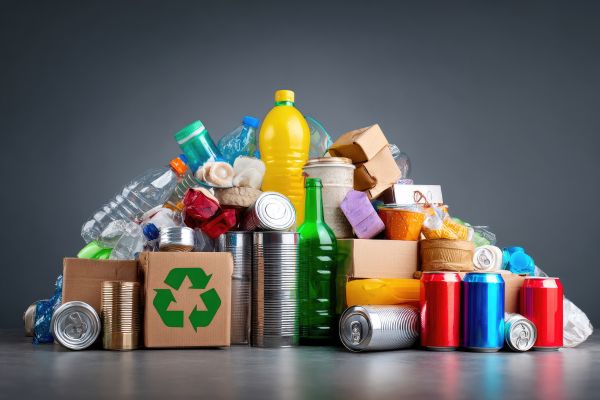
Recycling has quietly become part of everyday life for many of us. A bin in the kitchen, a reminder from the local council, maybe a quick rinse of a bottle before tossing it away. Yet despite good intentions, household recycling is often messier, more confusing, and less effective than we think. Rules vary by location, materials aren’t always what they seem, and habits formed years ago may no longer apply.
This is why practical, realistic recycling tips for households matter more than ever. Not the idealized version where everything is perfectly sorted, but the kind that fits real homes, busy schedules, and imperfect routines. Going green doesn’t require perfection. It starts with awareness, consistency, and a willingness to do a little better than yesterday.
Understanding What Recycling Really Means at Home
Recycling is often treated as a moral checkbox rather than a system. Something is empty, it goes in the recycling bin, and the responsibility feels complete. In reality, recycling is a chain that begins in your home but extends through sorting facilities, processing plants, and manufacturing systems.
When household recycling goes wrong, it’s usually because items are placed in the wrong bin. Food residue, mixed materials, or non-recyclables can contaminate entire loads, making them unusable. This doesn’t mean recycling isn’t worth the effort. It means understanding the system matters.
Taking a few minutes to learn what your local program actually accepts can dramatically improve the impact of your efforts. Recycling tips for households always start here, because rules are not universal, and assumptions are often outdated.
Creating a Recycling Setup That Fits Daily Life
One of the biggest barriers to effective recycling is inconvenience. If the recycling bin is hard to reach, poorly labeled, or constantly overflowing, people stop paying attention. A functional setup doesn’t have to be fancy, but it should be intentional.
Think about where waste is generated most often. Kitchens are obvious, but bathrooms, home offices, and laundry areas also produce recyclable materials. Placing small, clearly marked containers in these spaces reduces guesswork and keeps recycling from feeling like an extra chore.
Clear labeling helps everyone in the household follow the same rules. When people know where things go without stopping to think, recycling becomes automatic rather than forced.
Learning the Art of Clean Recycling
A surprisingly common mistake in household recycling is skipping the cleaning step. While items don’t need to be spotless, they do need to be free of food residue. Greasy pizza boxes, half-full containers, and sticky jars can ruin otherwise recyclable materials.
Rinsing containers quickly after use doesn’t take long, especially if it becomes part of your routine. While the idea of using water to clean recyclables may seem counterproductive, the reality is that contaminated items are far more likely to end up in landfill.
Among the most useful recycling tips for households is this simple rule: when in doubt, think about whether you’d want that item mixed with clean paper or plastic. If the answer is no, it probably needs a rinse or belongs in the trash.
Knowing Which Plastics Actually Get Recycled
Plastics are one of the most confusing parts of household recycling. The numbered symbols on containers give the illusion of clarity, but not all plastics are accepted everywhere. Some are technically recyclable but rarely processed due to cost or demand.
Focusing on commonly accepted plastics, such as beverage bottles and rigid containers, tends to have the greatest impact. Thin plastics, like bags and wrappers, often require special drop-off locations and should not be placed in curbside bins unless explicitly allowed.
Rather than feeling discouraged, use this knowledge to reduce reliance on problematic plastics altogether. Recycling tips for households aren’t just about sorting waste, but about making smarter choices at the point of purchase.
Rethinking Paper and Cardboard Habits
Paper recycling feels straightforward, but even here, small details matter. Greasy or food-stained paper is usually not recyclable. Shredded paper may need to be bagged separately or kept out entirely, depending on local rules.
Flattening cardboard boxes saves space and helps collection systems work more efficiently. Removing plastic tape, packaging materials, and non-paper inserts improves recyclability without much extra effort.
Reducing paper waste in the first place is just as important. Switching to digital statements, reusing scrap paper, and being mindful of unnecessary packaging can significantly cut down what enters the waste stream.
Making Recycling a Household Culture, Not a Rule
Recycling works best when it becomes part of household culture rather than a set of instructions taped to the wall. Conversations about why recycling matters, how it helps, and where it sometimes falls short can be surprisingly effective.
Involving everyone in the process builds shared responsibility. Children, in particular, are often eager to participate when they understand the purpose behind the habit. Mistakes will happen, and that’s okay. Consistency matters more than perfection.
When recycling is treated as a normal part of daily life, rather than a moral obligation, it becomes easier to sustain long-term.
Dealing with Items That Don’t Fit the Bin
Every household eventually faces the same question: what about the things that don’t fit neatly into recycling or trash? Electronics, batteries, light bulbs, textiles, and hazardous materials require special handling.
Instead of tossing these items out of frustration, it helps to keep a small holding area for them. Once enough items accumulate, a single trip to a proper drop-off location can take care of them all.
One of the most overlooked recycling tips for households is patience. Not everything needs to be disposed of immediately, and waiting until items can be handled responsibly often leads to better outcomes.
Reducing Waste as the First Step to Recycling Less
The most effective recycling strategy is producing less waste to begin with. While recycling is valuable, it’s still a resource-intensive process. Reducing consumption, choosing reusable products, and avoiding excessive packaging often have a greater environmental impact.
This doesn’t mean living a minimalist lifestyle overnight. Small shifts, like carrying reusable bags, buying in bulk, or repairing items instead of replacing them, add up over time.
Recycling tips for households are most powerful when paired with mindful consumption. The less waste you generate, the easier it becomes to manage what remains.
Adapting Recycling Habits as Rules Change
Recycling systems evolve. Materials that were accepted years ago may no longer be processed, while new technologies can expand what’s recyclable. Staying informed doesn’t require constant research, but it does mean paying attention to updates from local programs.
Occasionally reviewing guidelines helps prevent outdated habits from undermining your efforts. It also reinforces the idea that recycling is a living system, shaped by economic, environmental, and technological factors.
Flexibility is part of responsible recycling. What matters is not doing everything perfectly, but being willing to adjust as circumstances change.
The Quiet Impact of Consistent Effort
Household recycling rarely feels dramatic. There are no instant results, no visible transformations. Yet when practiced consistently across millions of homes, its impact is significant.
Each correctly sorted item supports a system that conserves resources, reduces landfill use, and lowers environmental strain. Recycling tips for households aren’t about individual heroics. They’re about collective momentum built through everyday choices.
The quiet nature of recycling is also its strength. It integrates into daily life, shaping habits over time without demanding constant attention.
A Reflective Conclusion on Recycling at Home
Recycling at home is less about rules and more about rhythm. It’s a set of small, repeated actions that gradually become second nature. Along the way, there will be confusion, mistakes, and moments of doubt about whether it all makes a difference.
It does.
By understanding how recycling works, creating systems that fit real life, and staying open to learning, households can make meaningful contributions without burning out. These recycling tips for households are not a checklist to master, but a mindset to grow into.
Going green at home doesn’t require perfection or sacrifice. It starts with paying attention, doing what you can, and trusting that consistent effort, however quiet, still matters.