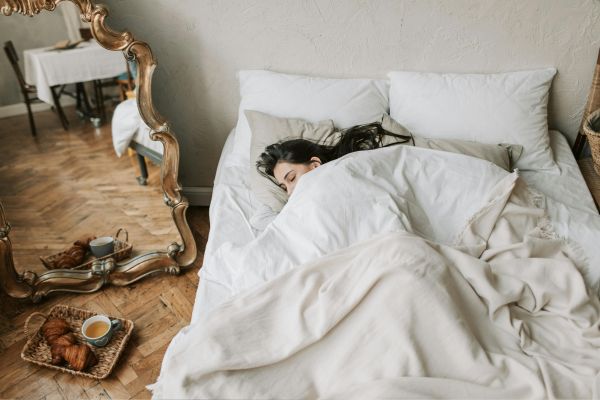
Sleep is one of the most basic human needs, yet it is often treated like a luxury that can be borrowed against indefinitely. People cut into it for work, entertainment, stress, parenting demands, late-night scrolling, or the simple belief that tomorrow will somehow be easier with less rest. Then morning arrives, heavy-eyed and impatient.
When sleep problems appear, many assume they need dramatic solutions. In reality, consistent habits often matter more than heroic fixes. That is where essential sleep hygiene practices come in.
Sleep hygiene does not mean literal cleanliness, though a fresh bed certainly helps. It refers to the behaviors, routines, and environmental conditions that support better sleep quality. These habits may seem small individually, but together they shape how easily you fall asleep, how deeply you rest, and how restored you feel.
Good sleep is rarely built in one night. It is built repeatedly.
What Sleep Hygiene Really Means
The phrase can sound clinical, but the concept is simple. Sleep hygiene means creating patterns that make sleep more likely and more effective.
This includes timing, light exposure, stress management, caffeine habits, bedroom setup, evening routines, and how you respond when sleep becomes difficult.
Many people focus only on bedtime. Yet sleep quality often begins much earlier in the day.
That is an important shift in perspective.
Keep a Consistent Sleep Schedule
One of the most powerful essential sleep hygiene practices is going to bed and waking up at similar times each day.
The body responds well to rhythm. Irregular schedules can confuse internal timing, especially when weekdays and weekends differ dramatically.
Consistency does not need to be perfect. Life happens. But a stable range helps your body anticipate sleep rather than negotiate it nightly.
Many people underestimate how much irregular timing contributes to restlessness.
Build a Wind-Down Routine
You cannot sprint mentally into sleep and expect smooth results. The mind often needs transition time.
A wind-down routine signals that stimulation is ending. This may include dimming lights, reading something calming, stretching gently, journaling, warm showers, quiet conversation, or simple breathing exercises.
The exact routine matters less than repetition.
When the same calming sequence happens regularly, the body begins associating it with rest.
Manage Light Exposure Thoughtfully
Light strongly influences circadian rhythm, the internal system that helps regulate sleep and wakefulness.
Morning daylight exposure can help anchor the body clock and improve alertness earlier in the day. Evening bright light—especially from screens or intense overhead lighting—may make winding down harder for some people.
This does not mean technology is forbidden. It means awareness matters.
Brighter mornings and softer evenings often support healthier rhythms.
Limit Caffeine Late in the Day
Caffeine affects people differently, but many underestimate how long it can linger.
An afternoon coffee may feel harmless, yet sensitive individuals sometimes notice sleep disruption hours later. Energy drinks, tea, soda, and even chocolate can contribute depending on quantity and timing.
One of the more practical essential sleep hygiene practices is experimenting honestly with cut-off times.
If sleep is struggling, reducing late caffeine is a sensible place to start.
Use the Bed Mainly for Sleep
The brain forms associations quickly. If the bed becomes a place for work stress, endless scrolling, arguments, gaming, or anxious thinking, it may stop feeling like a cue for rest.
Whenever possible, reserve bed primarily for sleep and intimacy.
This strengthens the mental link between lying down and settling.
Small psychological associations can have surprising power over time.
Keep the Bedroom Comfortable
Environment matters more than many admit.
A room that is too hot, too noisy, too bright, cluttered, or physically uncomfortable can quietly sabotage sleep. Supportive bedding, comfortable pillows, breathable sheets, darkness, and reasonable temperature all help.
You do not need luxury. You need function.
Sometimes improving the room changes sleep faster than buying supplements.
Watch Evening Meals and Alcohol
Heavy meals close to bedtime may leave some people uncomfortable or overly stimulated by digestion. Going to bed extremely hungry can also be disruptive.
Alcohol creates another common misunderstanding. It may make people sleepy initially, yet often reduces sleep quality later in the night.
Balanced evening eating and moderation tend to serve sleep better than extremes.
Exercise Helps, Even Indirectly
Regular movement is strongly associated with better sleep for many people. Exercise can improve mood, reduce stress, deepen physical tiredness, and support circadian health.
This does not mean punishing workouts are required. Walking, cycling, strength training, stretching, sports, or consistent general movement all count.
The key is regularity.
Bodies that move during the day often rest more naturally at night.
Handle Stress Before Bedtime
Many sleep struggles are not about mattresses or melatonin. They are about minds that refuse to power down.
Unresolved tasks, emotional tension, financial worries, relationship stress, and overstimulation often surface at night when distractions fade.
A helpful practice is giving worries a place earlier in the evening. Write tomorrow’s tasks. Journal concerns. Make a short plan. Talk through what is weighing on you.
You may not solve everything, but you can reduce mental spillover into bed.
Be Careful With Naps
Naps can be helpful, especially for shift workers, parents, or sleep-deprived people. But long or late naps may reduce sleep pressure at night for some individuals.
If nighttime sleep is difficult, shorter earlier naps may work better than late afternoon dozing.
This is highly individual, but worth observing honestly.
Don’t Force Sleep
Lying in bed frustrated for long stretches can create tension around sleep itself.
If you are wide awake and increasingly stressed, it may help to get up briefly, keep lights low, and do something calm until drowsiness returns.
The goal is to avoid teaching the brain that bed equals struggle.
Among essential sleep hygiene practices, this one is often overlooked but valuable.
Screens Are Not the Only Problem
People often blame screens alone. In truth, content matters too.
Reading upsetting news, engaging in arguments, consuming intense entertainment, or doing work emails at midnight can stimulate the nervous system regardless of device type.
Sometimes it is not the phone. It is what the phone contains.
Track Patterns, Not Perfect Nights
Everyone has occasional poor sleep. Stressful weeks, illness, travel, noise, hormones, and random life events happen.
Judge trends rather than one night.
Are you sleeping better over weeks with improved habits? Falling asleep faster more often? Waking less frequently? Feeling more functional?
Progress is usually gradual, not dramatic.
When to Seek Professional Help
Sleep hygiene helps many people, but persistent insomnia, loud snoring, choking awakenings, severe daytime sleepiness, restless legs, anxiety-driven sleeplessness, or ongoing exhaustion deserve professional evaluation.
Sometimes medical conditions, mental health factors, or sleep disorders need more than habit changes.
There is wisdom in seeking help early.
Conclusion
Essential sleep hygiene practices are not glamorous, but they are powerful. Consistent schedules, calming routines, light awareness, thoughtful caffeine timing, stress management, movement, and a sleep-friendly environment can significantly improve rest over time. Good sleep is often the result of repeated ordinary choices rather than one miracle solution. While no routine guarantees perfect nights, steady habits create better odds of deeper, more restorative sleep. In a world that constantly competes for attention, protecting sleep may be one of the most practical forms of self-care available.