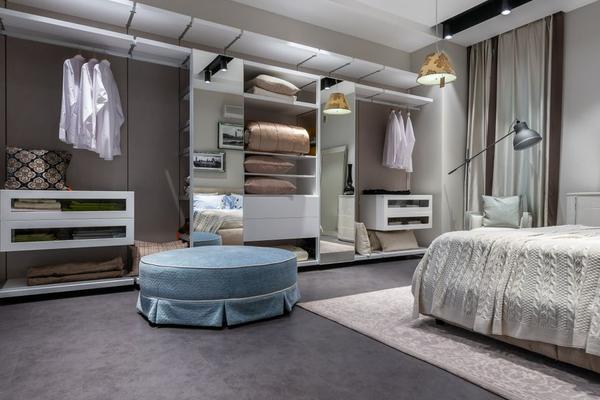
Bedroom storage used to be treated as a simple choice: fill the wall with fitted wardrobes and maximise every centimetre. That still works in the right room, but it is no longer the automatic answer for every home. Many people now prefer bedrooms that feel softer, more flexible and less permanently built in, which has put freestanding wardrobes, vintage chests and open storage back into the conversation.
The better choice depends on room shape, budget, storage habits and how long you expect to stay in the property. Freestanding furniture offers flexibility and character, while fitted storage can make awkward spaces work harder. The useful comparison is cost, capacity and everyday practicality.
What is the main difference?
A freestanding wardrobe is a separate piece of furniture that can usually be moved, replaced or taken with you when you move home. It may be bought new, sourced second-hand or combined with drawers, rails and shelving.
Fitted storage is designed for a specific space and fixed in place. It can run wall to wall or floor to ceiling, fit around chimney breasts, work beneath sloping ceilings or make use of alcoves that standard furniture cannot fill neatly.
Where freestanding wardrobes make the most sense
They give the room more flexibility
You can move a wardrobe to another wall, swap it for a chest of drawers or take it to a new home. That freedom is useful for renters, frequent movers and anyone who likes to refresh a room without committing to major joinery.
They can add more personality
A painted armoire, oak wardrobe or vintage storage furniture piece can bring texture, age and contrast to a bedroom. This is especially effective in period homes, where very sleek built-ins can sometimes compete with original architectural details.
They are easier to buy in stages
You do not need to solve the whole room at once. A wardrobe can come first, followed later by drawers, a storage bench or shelving. That makes freestanding storage ideas useful when you want to spread the cost.
Where fitted storage has the advantage
It can use awkward space efficiently
Fitted wardrobes are especially effective in rooms with sloping ceilings, narrow alcoves or uneven dimensions. A good design can use height that a standard wardrobe would leave empty and create storage where off-the-shelf furniture would struggle.
It can create a streamlined look
Fitted doors can hide clothes, shoes, luggage and accessories behind one consistent finish. The result can make a small bedroom feel calmer and more ordered, particularly when door styles and colours are kept simple.
It can be tailored to your wardrobe
Internal layouts can match what you own. Someone with many long dresses needs a different arrangement from someone who mostly stores folded knitwear, trainers and shirts. Rails, drawers and shelves can be planned around those habits.
Which option is usually cheaper?
Freestanding wardrobes generally have the lower entry cost because you can buy one item at a time and avoid installation charges. The second-hand market can also make well-made older furniture affordable.
Fitted wardrobes usually cost more because you are paying for design, materials, manufacture and installation. The final figure varies with size, doors, internal fittings and whether the system is bespoke or modular. Price matters, but so does how well the storage solves the room over the years you plan to use it.
Consider a rectangular spare bedroom. A freestanding wardrobe and chest may provide enough storage without permanent work. In a loft room with a low sloping roof, fitted cupboards may use space that would otherwise be wasted. The better-value option is the one that fits the room rather than the one with the lowest starting price.
What about small bedrooms?
Small rooms do not automatically need fitted wardrobes. A tall freestanding wardrobe can work well if it leaves enough clearance around the bed and doors. Furniture on legs may also feel visually lighter than a solid block reaching the floor.
An open shelving bedroom arrangement can create useful storage in a compact space, but it works best for people who keep possessions edited and organised. Open rails and shelves can look airy, yet they expose clutter quickly.
Fitted storage becomes particularly useful when a standard wardrobe would leave unusable gaps beside or above it. Taking storage to the ceiling may also reduce the need for extra furniture elsewhere.
How fitted wardrobe alternatives can work
You do not have to choose one extreme. A bedroom can combine a freestanding wardrobe with wall-mounted shelves, a chest of drawers and under-bed storage. A curtain across a shallow rail system can also create concealed clothing storage without full fitted carpentry.
Modular wardrobes are another middle ground. They can create a near-fitted appearance while remaining more adaptable than fully bespoke joinery, which suits homeowners who may want to change the layout later.
Think about moving, resale and longevity
If you expect to move within a few years, freestanding furniture has an obvious advantage because it can come with you. Individual pieces can also be sold if your next home has different storage needs.
Fitted wardrobes stay with the property. That can be convenient for future buyers if the design is neutral, practical and in good condition, but highly personal layouts or finishes may have narrower appeal. Durable materials and flexible internal fittings are therefore worth prioritising.
Related topics worth exploring include bedroom storage ideas for small rooms, styling vintage furniture and planning a calm bedroom layout.
Frequently asked questions
Are fitted wardrobes better than freestanding wardrobes?
Not necessarily. Fitted wardrobes are better at using difficult spaces and creating a built-in look, while freestanding wardrobes offer more flexibility, easier replacement and often a lower initial cost.
Do freestanding wardrobes waste space?
They can leave gaps above or beside the unit, but that is not always wasted space. Baskets, wall shelves or a narrow chest can sometimes use those areas effectively without the cost of full fitted storage.
Are vintage wardrobes practical for modern bedrooms?
They can be, provided you check internal depth, rail height, door movement and overall condition before buying. Some older wardrobes were designed for smaller clothing collections and may need additional shelving.
Can you mix fitted and freestanding storage?
Yes. A fitted run can handle bulk clothing while a freestanding chest, cabinet or open shelf adds character and flexibility. Mixing the two can stop a bedroom feeling overly built in.
Which suits your home best?
Choose freestanding storage if you value flexibility, furniture with character and the option to change your room over time. Choose fitted storage when awkward architecture, limited floor space or a need for maximum concealed capacity makes a tailored solution worthwhile.
The strongest bedrooms are not necessarily the ones with the most storage. They are the ones where storage supports the way the room feels and functions. Measure carefully, think about what you actually own and choose the solution that makes the space easier to live in.