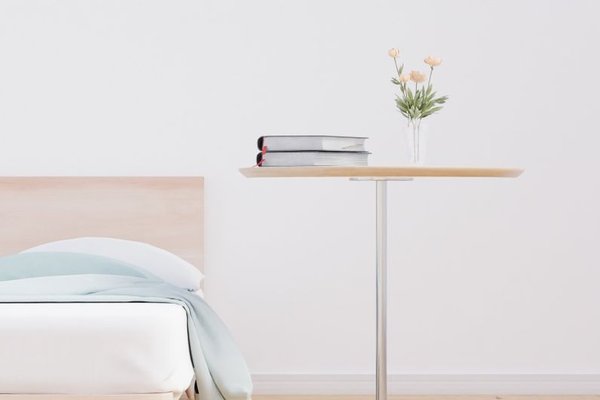
For years, interiors have seemed to demand a choice: minimalism with clear surfaces and controlled possessions, or maximalism layered with colour, pattern, art and objects. In 2026, a more liveable middle ground has gained a name: the midimalism interior style.
Midimalism is not simply minimalism with a few extra cushions. Nor is it maximalism that has been tidied up. It is a considered way of creating rooms that feel calm but not empty, expressive but not chaotic. For UK homes, where space is often limited and architecture already brings plenty of character, that balance can feel especially useful.
What Is the Midimalism Interior Style?
The midimalism interior style combines the visual breathing room of minimalism with the warmth, individuality and layering associated with maximalism. The foundation is usually simple: practical furniture, a coherent colour palette and enough open space for the room to feel easy to use. Personality then arrives through selected art, tactile materials, vintage finds, books, lighting and pattern.
The important word is selected. A midimalist room may contain several decorative elements, but they are not added merely to fill space. Each piece contributes something, whether that is texture, colour, memory, humour or function. This makes midimalism decor feel collected rather than crowded.
It also explains why the style feels timely. Many people appreciate the calm interior style associated with Scandinavian minimalism, yet do not want a home stripped of family photographs, inherited furniture or objects gathered over time. Midimalism allows those details to remain visible while giving them enough space to be noticed.
How Midimalism Differs from Minimalism and Maximalism
It keeps restraint without becoming stark
Traditional minimalist rooms often rely on repetition, concealed storage and a narrow palette. Midimalism keeps the discipline but softens the result. A clean-lined sofa might be paired with a patterned wool rug, an old wooden side table and a sculptural lamp. The room still feels ordered, yet it has more emotional depth.
It uses pattern with a clear hierarchy
Maximalist schemes may combine several strong prints at once. A minimalist maximalist mix is quieter. One pattern takes the lead, while other elements support it. You might choose floral curtains in a sitting room, then keep the upholstery mostly plain and repeat one of the curtain colours in cushions or artwork.
It values meaning over quantity
Midimalism is less concerned with how many objects you own than with how they are arranged. A shelf holding five meaningful pieces can feel richer than one packed with decorative accessories bought as a matching set. The aim is intentional home styling, not visual perfection.
The Colours and Materials That Make Midimalism Work
A neutral base is common, but it does not need to mean white walls and beige everything. Warm off-whites, clay tones, soft greens, muted blues and gentle browns create a restful background while allowing stronger accents to stand out. Deep burgundy, ochre, cobalt or forest green can then appear in smaller, deliberate doses.
Texture is central to the look. Without it, a restrained palette may feel flat. Natural wood, linen, wool, velvet, ceramic, aged metal and woven fibres bring subtle variation. In a bedroom, that could mean plain painted walls, timber bedside tables, a quilted bedspread and one patterned cushion. In a living room, it might involve a linen sofa, a vintage rug, glazed pottery and a brass reading light.
How to Create Midimalism Decor in Your Home
Start with the room’s practical needs
Before choosing accessories, decide how the room must function. Keep clear routes between doors, make sure seating suits the people who use it and place lighting where it is genuinely needed. A beautiful room that is awkward to live in misses the point of this style.
Choose one visual anchor
Every room benefits from a focal point. It could be a large painting, a patterned headboard, a colourful armchair, a tiled fireplace or a statement pendant. Let that feature establish the mood, then build around it rather than asking every object to compete for attention.
Layer slowly and edit honestly
Add pieces in stages. After introducing a rug, artwork and cushions, pause and look at the room from the doorway. Does the eye have somewhere to rest? Are several objects performing the same decorative role? Removing one item can often make the remaining pieces feel more important.
Using Midimalism in Smaller UK Homes
The style works particularly well in terraces, flats and compact new-build rooms because it encourages personality without requiring every surface to be filled. Use closed storage for practical clutter, then reserve open shelves for a smaller number of attractive or meaningful objects.
Furniture with visible floor space beneath it can keep a room feeling lighter, while a large rug helps unite different pieces. Rather than using many small accessories, choose fewer items with presence: one generous lamp, one substantial plant or one well-scaled artwork. This approach makes a compact room feel designed rather than busy.
Period features can become part of the scheme instead of obstacles to it. Original floorboards, picture rails, fireplaces and decorative plasterwork already provide texture. Pair them with simpler modern furniture, allowing the architecture to supply some of the richness.
Common Midimalism Mistakes to Avoid
The first mistake is treating the style as a licence to buy more. Midimalism is about thoughtful combination, not constant accumulation. Another is relying entirely on neutral colours while expecting texture alone to create personality. Even a calm scheme benefits from a few confident accents.
A Balanced Style Built for Real Life
The appeal of the midimalism interior style lies in its flexibility. It offers a framework rather than a strict formula, making room for treasured possessions, changing tastes and the realities of everyday living. By combining clear layouts with layered materials and a limited number of expressive details, you can create a home that feels composed without feeling controlled.
Ultimately, the best midimalist spaces are neither sparse nor overflowing. They are comfortable, personal and edited with care. That makes the style more than a passing visual trend: it is a practical way to build rooms that feel calm enough to live in and interesting enough to love.
Frequently Asked Questions
Is midimalism the same as modern eclectic style?
They overlap, but midimalism usually applies more restraint. Modern eclectic rooms may mix many eras, colours and influences, while midimalist rooms keep a calmer foundation and use fewer statement elements.
Can midimalism work with a colourful home?
Yes. The palette does not have to be neutral. The key is to create a hierarchy, using one or two dominant colours and repeating them thoughtfully so the room feels connected rather than random.
Do I need to replace my furniture to achieve the look?
No. Start by rearranging what you own, reducing visual clutter and identifying the pieces that deserve attention. New purchases should fill a genuine functional or aesthetic gap.
What is the easiest room for trying midimalism decor?
A bedroom is a good starting point because it naturally benefits from calm. Use simple furniture and bedding as the base, then introduce warmth through a rug, artwork, lamps and a small number of textured or patterned accessories.