Smart lighting systems for home use have quietly gone from a “nice-to-have” gadget to something people genuinely rely on every single day. And no, this isn’t just about turning lights on with your phone to show off to guests. The real appeal runs much deeper than that. Comfort. Control. Energy savings. Mood. Security. Once you live with smart lighting for a while, regular switches start to feel oddly outdated.
Let’s talk about what smart lighting systems for home really are, how they work in everyday life, and why more homeowners are switching without looking back. No tech jargon overload. No sales pitch. Just real-world perspective.
What Smart Lighting Systems for Home Actually Mean
At its core, smart lighting systems for home use allow you to control your lights digitally instead of relying only on wall switches. That control can happen through a mobile app, voice commands, automation schedules, or even sensors that respond to movement or daylight.
But here’s the thing. It’s not just control. It’s flexibility. You can adjust brightness, color temperature, or even colors themselves depending on the time of day or your mood. Morning light can be bright and energizing. Evening light can soften automatically without you thinking about it.
And yes, sometimes it’s as simple as saying, “Turn off the lights,” while already in bed. Let’s be real, that alone feels like the future.
Why Smart Lighting Systems for Home Are Becoming So Popular
The popularity of smart lighting systems for home isn’t random. It’s driven by daily convenience mixed with long-term benefits. The first thing most people notice is how much smoother their routines feel.
Lights can turn on gradually in the morning instead of jolting you awake. Hallway lights can come on automatically at night, saving you from stubbing a toe half-asleep. When you leave the house, everything shuts off automatically, which means no more second-guessing yourself from the driveway.
Energy efficiency plays a huge role too. Smart lighting systems for home setups often use LED technology combined with scheduling and occupancy detection. That means lights aren’t running when they don’t need to be. Over time, that adds up to real savings, not just on paper.
The Everyday Experience of Using Smart Lighting at Home
Living with smart lighting systems for home feels different than you might expect. It’s subtle. You don’t constantly think about it. It just works in the background.
For example, lights can dim slightly in the evening as your body prepares for sleep. During the day, they can adjust based on natural sunlight coming through the windows. When you’re away on vacation, lights can turn on and off randomly, making the house look occupied without you lifting a finger.
And honestly, once you get used to scenes, it’s hard to go back. Movie night lighting. Reading lighting. Cooking lighting. Each room adapts to what you’re doing without you constantly fiddling with switches.
Different Types of Smart Lighting Systems for Home
Smart lighting systems for home setups come in several forms, and choosing the right one depends on how much control you want.
Some people start with smart bulbs. These replace regular bulbs and connect directly to your Wi-Fi or a hub. They’re easy to install and perfect for beginners.
Others go further with smart switches and dimmers. These replace the wall switch itself, which means the smart features work even if someone uses the switch manually. This option feels more seamless in shared households.
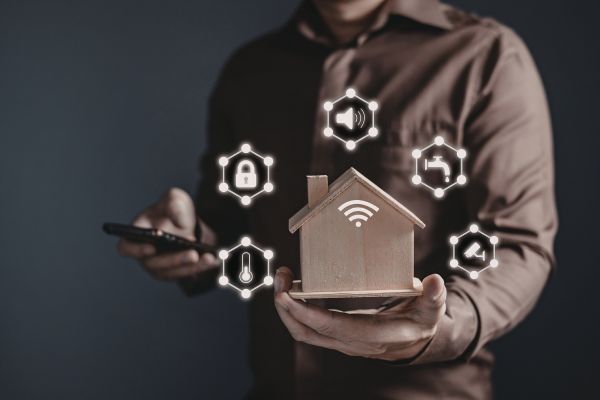
Then there are fully integrated systems where lighting connects with thermostats, security cameras, and voice assistants. That’s when your home starts to feel genuinely “smart” instead of just tech-filled.
How Smart Lighting Systems for Home Improve Comfort
Comfort is where smart lighting systems for home really shine. Lighting affects mood more than most people realize. Harsh lighting can cause eye strain and headaches, while warm lighting creates a relaxed environment.
With smart systems, you can adjust color temperature throughout the day. Cooler light in the morning helps you focus. Warmer tones in the evening help you unwind. The change happens gradually, so it feels natural rather than forced.
And let’s not forget accessibility. For elderly users or people with mobility challenges, smart lighting systems for home use can be life-changing. Voice commands or automatic sensors remove the need to reach for switches altogether.
Security Benefits You Might Not Expect
One underrated advantage of smart lighting systems for home setups is security. Lights that turn on automatically at sunset or respond to motion can discourage unwanted visitors. Even when you’re not home, scheduled lighting patterns can make it look like someone is.
Some systems integrate with cameras or door sensors. When movement is detected outside, lights can turn on instantly. That sudden illumination alone can be enough to make someone think twice.
The peace of mind matters. You may not notice it daily, but it’s there in the background, doing its job.
Smart Lighting Systems for Home and Energy Efficiency
Energy efficiency is often the reason people justify the upgrade, and it’s a solid one. Smart lighting systems for home use rely heavily on LEDs, which consume far less power than traditional bulbs.
Add automation to that, and energy waste drops even further. Lights turn off when rooms are empty. They dim when full brightness isn’t necessary. They respond to natural light levels instead of fighting against them.
Over time, those small changes show up on your electricity bill. It’s not flashy, but it’s real.
Common Concerns About Smart Lighting Systems for Home
Let’s address the hesitation, because it’s normal. Some people worry about complexity. Others worry about reliability or privacy.
The thing is, modern smart lighting systems for home setups are far more user-friendly than they used to be. Installation often takes minutes, not hours. Apps are intuitive. Voice assistants understand natural language better than ever.
As for reliability, most systems still work manually even if the internet goes down. And privacy settings allow you to control what data is shared, if any.
Like any technology, it’s about choosing a system that fits your comfort level.
Making the Transition Without Overthinking It
You don’t have to overhaul your entire home overnight. Many people start small. A living room. A bedroom. Maybe the hallway.
Once you experience smart lighting systems for home use firsthand, expanding feels natural. You start noticing places where automation would make life easier. And you add it gradually, at your own pace.
The beauty is flexibility. You’re not locked into one way of living. You’re simply giving yourself more options.
The Real Value of Smart Lighting Systems for Home
At the end of the day, smart lighting systems for home use aren’t about technology for technology’s sake. They’re about improving how your home feels and functions.
They save time. They reduce stress. They create atmosphere without effort. They quietly adapt to your lifestyle instead of demanding attention.
Once you experience lighting that understands your routines, responds to your presence, and adjusts itself automatically, going back feels unnecessary. Maybe even a little annoying.
And that’s the true mark of good technology. It fades into the background while making life better.
Smart lighting systems for home aren’t just a trend. They’re becoming the new normal, one room at a time.