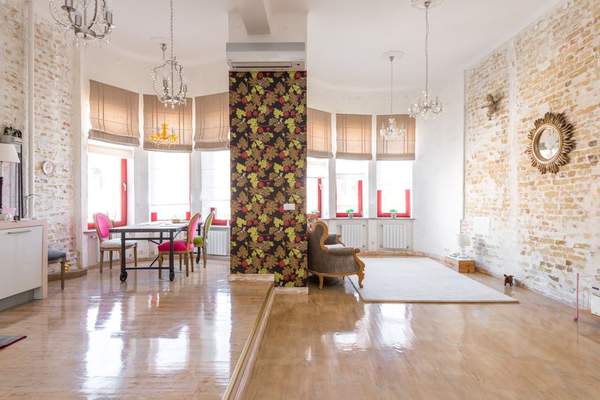
A room becomes more interesting when it looks as though it has been assembled over time rather than ordered as a matching set. That is the real appeal of mixing vintage and modern furniture: a clean-lined sofa can make an old timber chest feel more sculptural, while a worn leather chair can stop a newly decorated room from feeling too polished. The goal is not to make every piece agree. It is to create enough visual connection that different eras feel intentional together.
This approach works particularly well in UK homes, where period details and newer furniture often already coexist. Instead of hiding those contrasts, use them. A successful vintage modern mix usually depends less on age and more on proportion, colour, material and visual weight.
Start With One Clear Anchor Piece
Begin with one item that gives the scheme a point of view: a Georgian-style chest, a 1960s teak sideboard, a contemporary modular sofa or a modern dining table with a strong silhouette.
Once that anchor is chosen, let the other furniture play supporting roles. A dark vintage sideboard can sit comfortably beside a cream sofa if both pieces have enough space around them. Add a contemporary lamp or artwork above the sideboard and the contrast starts to look deliberate rather than accidental.
Look for Connections, Not Matching Sets
The easiest way to make furniture from different periods work together is to repeat one or two visual ideas across the room. The pieces do not need the same finish or style. They simply need a conversation between them.
Repeat a Material
If you have an antique oak table, you do not need matching oak chairs. Echo the warmth of the timber elsewhere through a walnut frame, woven basket or modern lamp with a wooden base. Repetition creates continuity without turning the room into a furniture suite.
Repeat a Shape
Curves can bridge decades surprisingly well. A vintage bentwood chair can relate to a contemporary rounded sofa, while a modern circular coffee table can soften the angles of an older cabinet. Shape is often a subtler connector than colour, which makes it useful for eclectic furniture styling.
Keep a Controlled Colour Palette
A restrained palette gives mixed furniture room to breathe. Warm neutrals, muted greens, inky blues and earthy reds can all work, but consistency matters. If every era introduces a new colour, finish and pattern at once, the room can lose focus.
Use Contrast on Purpose
Good collected home decor is rarely built by making old pieces look new or new pieces look old. Let each keep its character. Patina and aged timber can sit beautifully beside smooth upholstery, brushed metal or contemporary lighting.
Think in pairs of opposites: ornate with simple, heavy with light, dark with pale, glossy with worn. One contrast is energising; too many competing contrasts in the same corner can become noisy. Spread them through the room so the eye has somewhere to rest.
Pay Close Attention to Scale
Scale is where many otherwise attractive combinations fail. Vintage furniture can be unusually low, narrow, tall or visually dense compared with newer pieces. Measure before you buy, and compare more than width. Seat height, table height and the empty space around a piece all affect how furniture relates.
Imagine a compact Victorian sitting room with a low contemporary sofa. A tall mahogany cabinet placed immediately beside it may feel top-heavy. Move the cabinet to the opposite wall, then place a lower vintage side table near the sofa, and the room becomes more balanced. The furniture has not changed; the relationships have.
A guide to furniture layout ideas is a natural next read here, while small living room layout tips can help when deciding how much vintage furniture a compact space can comfortably hold.
Let Upholstery Bridge the Eras
Upholstery is one of the most practical tools for creating a layered interior look. An old chair with a good frame can be recovered in a contemporary textured fabric, while a modern sofa can take on more character with vintage-inspired textiles.
The key is not to erase the age of the piece. If a chair has carved arms or a distinctive mid-century frame, choose fabric that highlights the shape rather than disguising it. This is also a sensible place to spend restoration money, because worn upholstery may affect comfort even when the frame is sound.
Avoid Dividing the Room Into Old and New Zones
One common mistake is placing all vintage pieces on one side and modern pieces on the other. That creates two mini rooms rather than one coherent scheme. Distribute the eras instead. A modern sofa can face a vintage coffee table. An antique desk can sit beneath contemporary art. New dining chairs can surround an old farmhouse table.
This cross-pairing is what makes mixing vintage and modern furniture feel natural. It also keeps the room from looking themed. A guide to choosing accent furniture would fit naturally alongside this topic for readers refining their statement pieces.
Know When to Stop
A collected room still needs editing. Not every inherited, thrifted or newly bought piece deserves a place in the same space. If two large items compete for attention, move one elsewhere. If a small vintage table exists only because it is vintage, question whether it adds function, shape or character.
Leave breathing room around distinctive furniture. Empty space can make an old piece feel more important and a modern piece more architectural. The aim is not maximum variety; it is a balanced mix that feels personal.
Frequently Asked Questions
What is the easiest way to start mixing vintage and modern furniture?
Start with one vintage or modern statement piece and build around it using a consistent colour palette, compatible scale and repeated materials. This is easier than trying to balance several strong styles at once.
How much vintage furniture should a room have?
There is no fixed percentage. A room can feel layered with one strong antique piece or several vintage items. Judge the balance by visual weight, not by counting furniture. If older pieces dominate, add cleaner shapes and simpler finishes.
Can vintage wood furniture work with modern metal furniture?
Yes. Warm timber and cool metal often create useful contrast. Connect them through shape, colour or nearby accessories so the combination feels intentional rather than random.
Should vintage furniture be restored before using it?
Restore what affects safety, stability or comfort, but think carefully before removing all signs of age. Patina can be part of the appeal. For valuable antiques, specialist advice is sensible before refinishing or making permanent changes.
Create a Room That Feels Collected, Not Coordinated
The most convincing vintage modern mix is not built around a formula. It comes from choosing pieces you genuinely like, then giving them enough shared visual language to belong together. Pay attention to scale, repeat a few materials or shapes, distribute old and new pieces throughout the room, and allow contrast to do some of the work.
When the balance is right, the room does not announce which decade each object came from. It simply feels settled, personal and layered, as though the furniture has found its place gradually rather than arriving as one coordinated delivery.