When the lights flicker during a storm, most of us pause for a second and hope the power holds. Sometimes it does. Sometimes the house goes quiet, the fridge hum disappears, the internet drops, and every little daily convenience suddenly feels fragile. That is usually the moment people start thinking seriously about backup power.
Home backup generators are not just for remote cabins or large houses with elaborate electrical systems. More families are looking at them as a practical layer of home preparedness, especially in areas where storms, heat waves, aging power grids, or winter outages can interrupt normal life. Still, buying one is not as simple as picking a machine and plugging it in. There are safety issues, fuel choices, installation needs, and lifestyle questions to think through.
For anyone researching home backup generators: what to know begins with a basic idea. A generator is not meant to make an outage invisible. It is meant to keep the most important parts of your home running safely until regular power returns.
Why Backup Power Matters at Home
A short outage can be inconvenient. A longer one can become stressful quickly. Refrigerated food can spoil, phones can lose charge, sump pumps can stop working, medical devices may need power, and heating or cooling systems can become critical depending on the season.
That does not mean every home needs a whole-house generator. The real question is what your household cannot comfortably or safely go without. For one family, that might be a refrigerator, a few lights, and device charging. For another, it could be well pump power, a home office setup, a furnace blower, or equipment needed for health reasons.
A backup generator is really a planning tool. It asks you to decide what matters most before the emergency happens.
Portable Generators and Standby Generators Work Differently
Most homeowners end up comparing two broad options: portable generators and standby generators. They both create electricity, but they fit into daily life very differently.
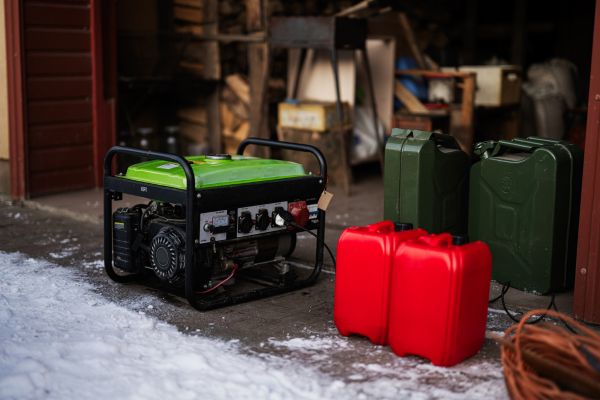
A portable generator is usually moved into place when needed. It runs on fuel such as gasoline, propane, or sometimes dual-fuel options. It can power selected appliances or circuits, depending on how it is connected. Portable units tend to cost less upfront, but they require more hands-on effort. Someone has to bring the unit outside, add fuel, start it, and manage extension cords or a transfer switch connection.
A standby generator is permanently installed outside the home. It often connects to natural gas or a large propane supply and starts automatically when it senses a power outage. This is the smoother option for people who want less manual work during bad weather, but it also involves professional installation, permits, and a higher overall cost.
Neither choice is automatically better. The right one depends on your budget, your home’s electrical needs, your comfort with setup, and how often outages happen where you live.
Sizing a Generator Is About Priorities
One of the most common mistakes is thinking bigger always means better. A generator should be sized around the loads you actually need to run. Too small, and it may struggle or shut down. Too large, and you may spend more than necessary on equipment, fuel, and installation.
The starting point is to think about essential systems. A refrigerator, freezer, modem, lights, fans, sump pump, furnace blower, or a few outlets may be enough for many homes. Larger needs, such as central air conditioning, electric water heating, electric ranges, or multiple heavy appliances, require much more power.
Some appliances also need extra power when they first start. This is called starting wattage or surge wattage. A refrigerator, pump, or air conditioner may briefly draw more power than it uses while running. That detail matters, because a generator has to handle those starting demands without overloading.
A licensed electrician can help calculate realistic power needs. It may not sound exciting, but this step prevents a lot of frustration later.
Fuel Choice Changes the Experience
Fuel is one of those details that seems simple until an outage actually happens. Gasoline is common and easy to understand, but it has storage limits, can degrade over time, and may be hard to find during a widespread emergency. Propane stores longer and burns cleaner, though tank size determines how long the generator can run. Natural gas can be convenient for standby systems, but availability depends on your home’s utility connection and local infrastructure.
There is also the question of runtime. A generator that technically powers your essentials is only useful if you can keep it fueled safely. During a long outage, fuel planning becomes part of the household routine. That means storing fuel properly, knowing how much your generator uses, and understanding when it needs to cool before refueling.
Fuel choice is not just a technical decision. It affects noise, maintenance, storage, convenience, and how prepared you feel when the power is out.
Safe Installation Is Not Optional
Generators produce serious electrical power, and that power has to be managed carefully. One of the most important safety features is a transfer switch or an approved interlock system. This prevents generator power from feeding backward into utility lines, which can endanger line workers and damage equipment.
Plugging a generator directly into a wall outlet, sometimes called backfeeding, is dangerous and should never be done. It may seem like a shortcut, but it creates risks that are not worth taking.
Standby generators should be installed by qualified professionals. Portable generators may also need professional electrical work if you want to connect them safely to selected home circuits. Permits and local codes can vary, so it is worth checking requirements before buying equipment.
A generator is useful only when it is installed and operated safely. Cutting corners can turn a preparedness tool into a hazard.
Carbon Monoxide Is the Biggest Safety Concern
The most serious danger with fuel-powered generators is carbon monoxide. It is colorless, odorless, and deadly. A generator should never be used inside a home, garage, basement, shed, enclosed porch, or near open windows and doors.
Even a partially open garage door does not make indoor use safe. The generator must be outdoors, positioned far enough away from living spaces so exhaust cannot drift inside. Carbon monoxide detectors should be installed and working on every level of the home, especially near sleeping areas.
This is not a small warning hidden in the manual. It is one of the central rules of generator ownership. Power is helpful, but clean air comes first.
Noise and Placement Deserve Attention
Generators make noise. Some are quieter than others, but none are silent. Placement matters for your household, your neighbors, and your own comfort during an outage.
Standby units are usually placed according to code requirements, manufacturer clearances, and practical concerns such as airflow and access for service. Portable generators need a safe outdoor location each time they are used. That location should be dry, stable, ventilated, and away from doors, windows, and vents.
Noise can feel especially loud at night when the rest of the neighborhood is dark and quiet. Thinking about placement before an emergency helps avoid rushed decisions in bad weather.
Maintenance Keeps a Generator Ready
A generator that sits untouched for years may not work when needed. Like any engine, it needs maintenance. Oil changes, filter checks, battery care, spark plugs, fuel system attention, and periodic test runs all matter.
Portable generators should be stored properly, especially if gasoline is involved. Old fuel can cause starting problems. Standby generators often run automatic exercise cycles, but they still need scheduled service.
This part is easy to overlook because outages may be rare. But backup power is only reassuring if the equipment is ready. A simple maintenance calendar can make the difference between confidence and disappointment during the next blackout.
Think About Comfort, Not Just Electricity
It is tempting to imagine a generator keeping life completely normal. In reality, most households do better when they plan for a practical middle ground. Maybe the goal is not to run every appliance, every light, and every comfort. Maybe the goal is to keep food cold, phones charged, a few rooms livable, and essential systems working.
That mindset helps avoid overspending and overloading. It also encourages better emergency habits. A generator should work alongside flashlights, battery banks, safe food storage, weather alerts, and a basic family plan. Backup power is valuable, but it is only one piece of home resilience.
Understanding the True Cost
The price of the generator itself is only part of the total cost. Installation, transfer switches, concrete pads, permits, fuel storage, maintenance, repairs, and possible electrical upgrades can all add to the final number.
Portable generators usually have a lower entry cost but may require accessories and more hands-on management. Standby generators cost more but offer automatic operation and a more integrated setup. The right investment depends on how often your power goes out, what you need to protect, and how much convenience matters to your household.
It helps to think in terms of risk rather than panic. A family with frequent outages and a sump pump may see backup power very differently from a household that loses power for an hour once a year.
Conclusion
Home backup generators can bring real peace of mind, but they deserve careful thought. They are powerful machines, not casual household gadgets. The best choice is not always the largest or most expensive model. It is the one that fits your home, your climate, your essential needs, and your ability to operate it safely.
Before buying, take time to understand your power priorities, fuel options, installation requirements, and maintenance responsibilities. Think through where the generator will sit, how it will connect, and who in the household knows how it works.
A power outage has a way of making modern life feel surprisingly delicate. A well-planned generator setup cannot control the weather or fix the grid, but it can keep the important things steady when the house goes dark. And sometimes, that bit of steadiness is exactly what a family needs.